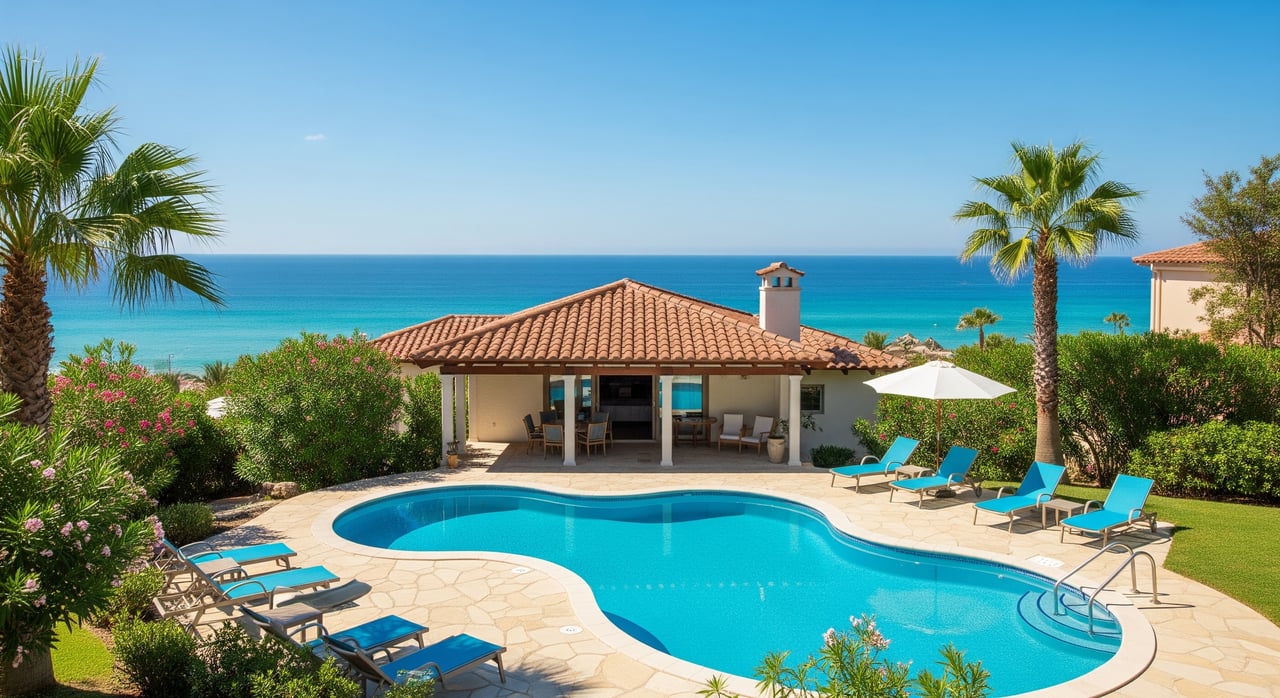
What Outdoor Upgrades Blue Mountain Beach Buyers Want
December 18, 2025
December 18, 2025
Love the idea of sunset dinners and morning coffee on your porch, but not sure which outdoor upgrades actually win over Blue Mountain Beach buyers? You are not alone. Salt air, sun, and coastal storms can shorten the life of the wrong materials and turn a pricey project into a maintenance headache. In this guide, you will learn which upgrades consistently attract 30A buyers, how to build them for coastal durability, and what to know about permits, flood zones, and long-term upkeep. Let’s dive in.
Outdoor spaces are a top priority for many buyers today. National research highlights strong interest in features like covered porches, outdoor kitchens, and flexible outdoor rooms. You can see this trend carry into resort markets where time outside is part of the lifestyle. For context, review buyer preferences in the National Association of Realtors’ overview of what buyers want in a home.
Blue Mountain Beach sits on Florida’s Emerald Coast, where summers are hot and humid and winters are mild. Hurricane season runs June through November, and properties face salt spray, wind-driven rain, and high humidity. These conditions shape buyer preferences toward low-maintenance materials, shaded areas, and features that extend the season.
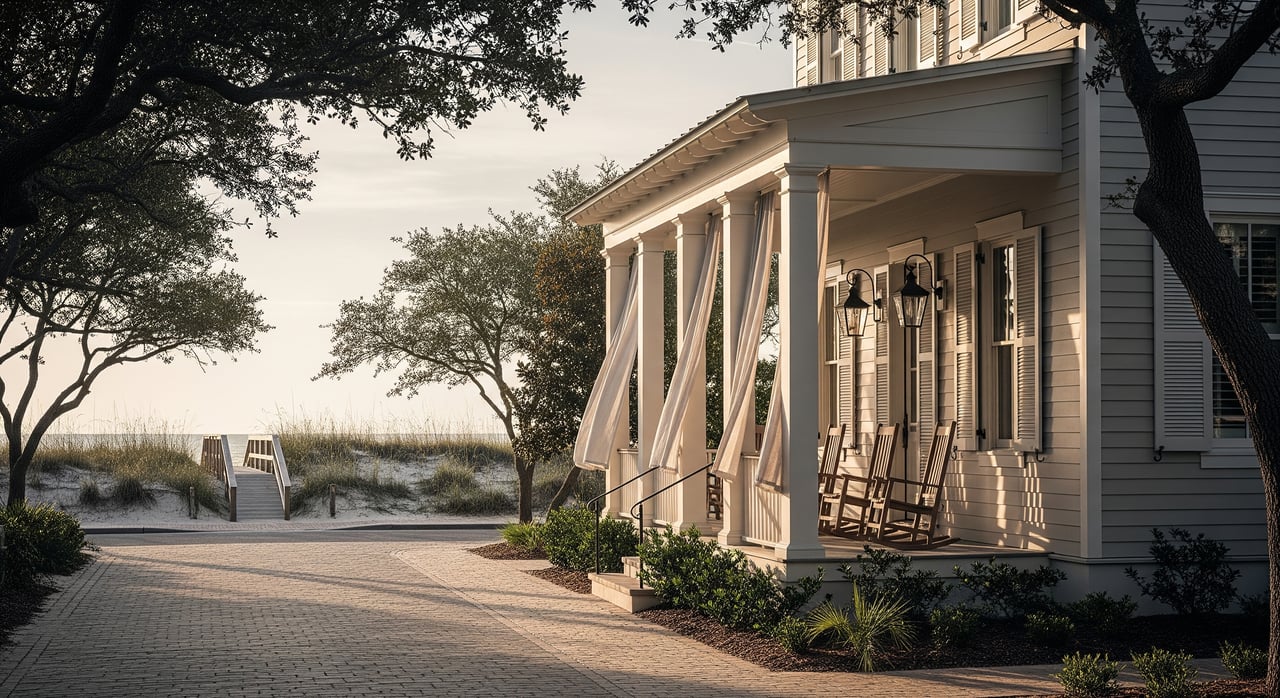
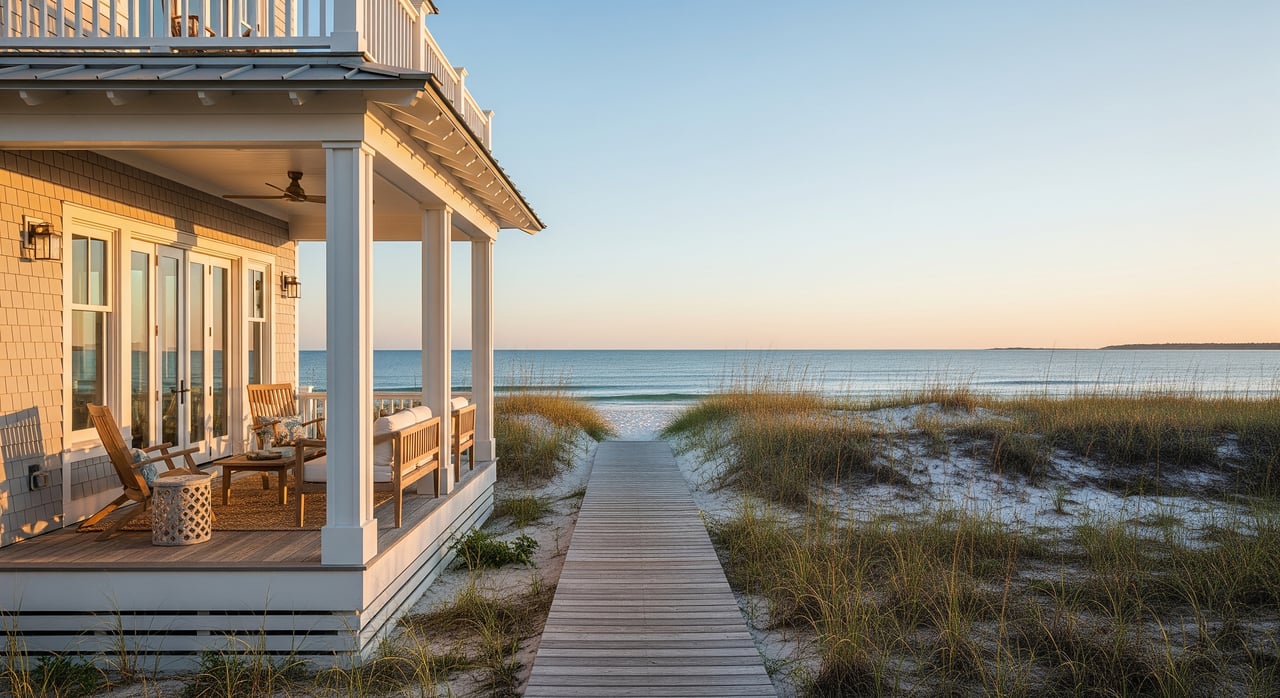
Buyers value shaded, usable space that feels like an extension of the home. Covered porches, screened rooms, and lanais add comfort for year-round lounging and dining. In our coastal climate, they also offer a protected place to relax when afternoon showers roll through.
Plan these projects with coastal code and durability in mind. Structural connections should meet Florida Building Code wind and uplift requirements, and corrosion-resistant fasteners are a must. In flood-prone zones, elevated designs and open rails may be required to match Base Flood Elevations and best practices. If you are planning a new structure or roof extension, permits and inspections are typically required.
An outdoor kitchen expands your entertaining space and is a highlight for second-home and vacation buyers. The key is to build for salt air. Choose marine or coastal-grade stainless steel for appliances, consider polymer or marine-grade aluminum cabinets, and use stone or porcelain countertops that handle sun and splashes well.
Gas lines, electrical circuits with GFCI protection, and any new structural work generally need permits and licensed contractors. Follow local rules on venting, appliance placement, and footprint. Quality matters here. Buyers expect a clean, low-maintenance setup with corrosion-resistant finishes.
Outdoor showers are a Blue Mountain Beach favorite for rinsing sand, surfboards, and pets. Design them to be convenient and compliant. Potable water connections should include the right backflow protection, and hot water can be supplied by a routed line or on-demand heater with proper insulation.
Plan for drainage to avoid standing water and mosquitoes. Many homes route shower discharge to approved landscaping or the sanitary sewer where allowed. If your property is near dunes or protected areas, review Florida Department of Environmental Protection guidance on coastal protections and permitted work near the beach.
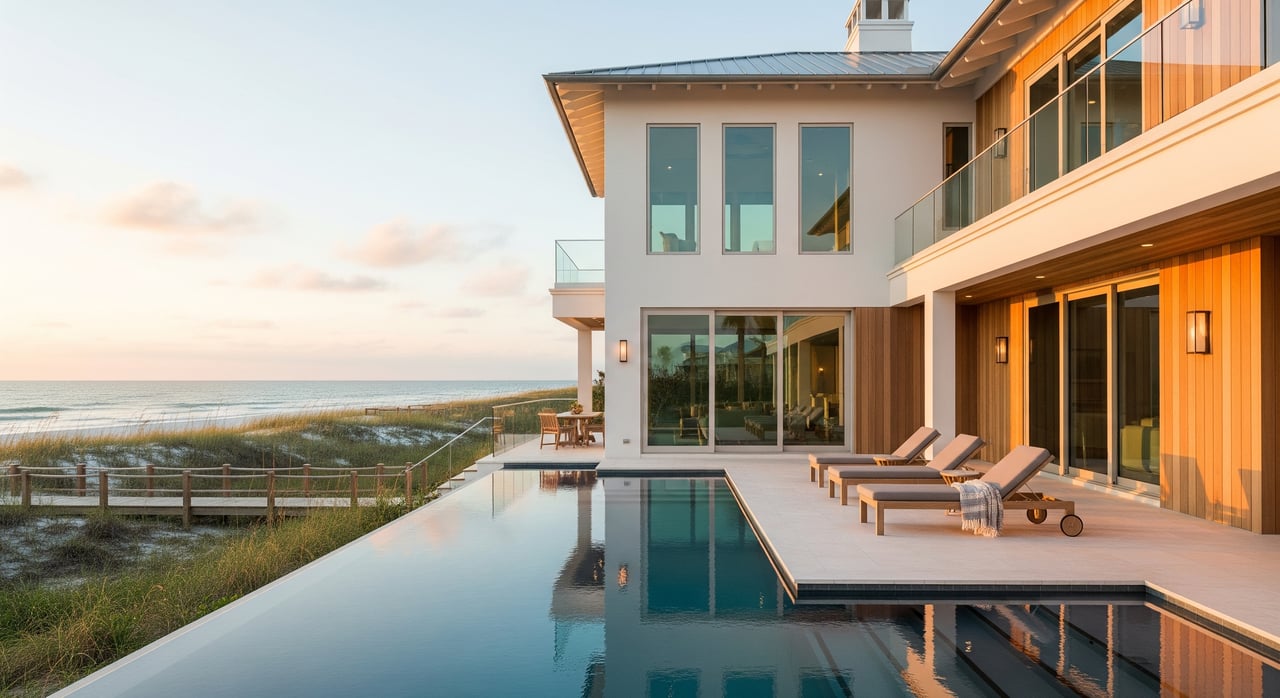
Pools are a major selling feature in 30A markets, and heating extends the season for owners and guests. Many coastal pools use saltwater chlorination, which generates chlorine from salt. Salt systems increase corrosion risk to metal components, so choose equipment and fixtures rated for salt exposure and consider sacrificial anodes where appropriate.
For heating, heat pumps are typically the most energy-efficient choice in Florida’s warm climate. Gas heaters warm water quickly but often have higher operating costs, while solar pool heating can be highly cost-effective if you have suitable space. The U.S. Department of Energy’s guidance on swimming pool heating is a helpful resource when comparing options. Whatever you choose, plan for licensed mechanical and electrical work, secure equipment against storm debris, and keep up with routine maintenance.
Durability starts with materials and fasteners. Marine-grade 316 stainless steel or hot-dip galvanized hardware rated for coastal use outperforms standard options in salt air. For decking, capped composite, PVC, and tropical hardwoods like ipe can stand up well when installed correctly. Aluminum and marine-grade stainless are smart choices for railings, gates, and trim.
Finish products also matter. Use UV and salt-tolerant paints and sealants, and follow manufacturer maintenance schedules. Investing in quality materials upfront usually reduces ongoing costs and improves buyer confidence.
Many Blue Mountain Beach parcels are in FEMA flood zones. Flood zone, Base Flood Elevation, and elevation certificates affect permits, design choices, and insurance. Look up your property on the FEMA Flood Map Service Center to understand site-specific requirements and risks.
If your site has elevated risk, plan foundations and finished-floor elevations to comply with local floodplain regulations. Elevated porches, pilings, and open foundation designs may be required. These details matter during permitting and will be part of buyer due diligence.
The Florida Building Code includes wind-load and coastal construction standards that apply to porches, pools, and outdoor kitchens. Expect to provide engineered drawings for significant structural work. Use the Florida Building Commission site to review current code resources and updates.
Many 30A communities have HOA or resort covenants that guide materials, colors, and visible appliances. Check your CCRs before you finalize plans. Aligning with community standards helps avoid delays and reduces the risk of over-improving for the neighborhood.
If your property is near the dune line or within a coastal high-hazard area, work may be subject to Florida DEP coastal construction regulations. Drainage lines, shower locations, and hardscape near protected dunes can be restricted. Start early with site checks and approvals to protect both the environment and your project timeline.
Coastal exposure can turn low-cost choices into high-cost headaches. Untreated wood and standard fasteners often degrade quickly in salt air. Instead, opt for corrosion-resistant metals, coastal-rated equipment, and composites or tropical hardwoods that age well.
Outdoor kitchens and pools are high-profile amenities, so quality and compliance matter. Well-built features signal value to buyers. Poor finishes or rusting appliances can deter offers.
Set realistic expectations for upkeep and highlight these routines when you sell:
Before you hit the market, walk your outdoor areas with a buyer’s eye:
Every property in Blue Mountain Beach has its own profile, from flood zone to HOA rules and rental demand. Our role is to help you invest where it counts, then present your home so those features stand out. We tailor recommendations to your lot, your buyer pool, and your budget.
As a boutique coastal team with a polished, digital-first approach, we combine hyperlocal guidance with Compass marketing tools to showcase outdoor living at its best. Our clients value clear strategy and strong outcomes, including a track record of well-priced, fast transactions. When you are ready to plan upgrades or position your home for market, we are here to help.
Ready to talk about your property and priorities on 30A? Request a consultation with the Resiak Group to map your best next step.
Stay up to date on the latest real estate trends.

We pride ourselves in providing personalized solutions that bring our clients closer to their dream properties and enhance their long-term wealth.