Gulf Front vs Gulf View in Destin Real Estate
November 21, 2025
November 21, 2025
You see “gulf-front,” “gulf-view,” and “deeded access” on Destin listings, but what do they actually promise once you own the home or condo? If you are shopping for a second home or investment, you want the beach experience you picture and the clarity your lender and insurer will expect. In this guide, you will learn what each term means in practice, how to verify access and views, and how Destin compares with nearby 30A. Let’s dive in.
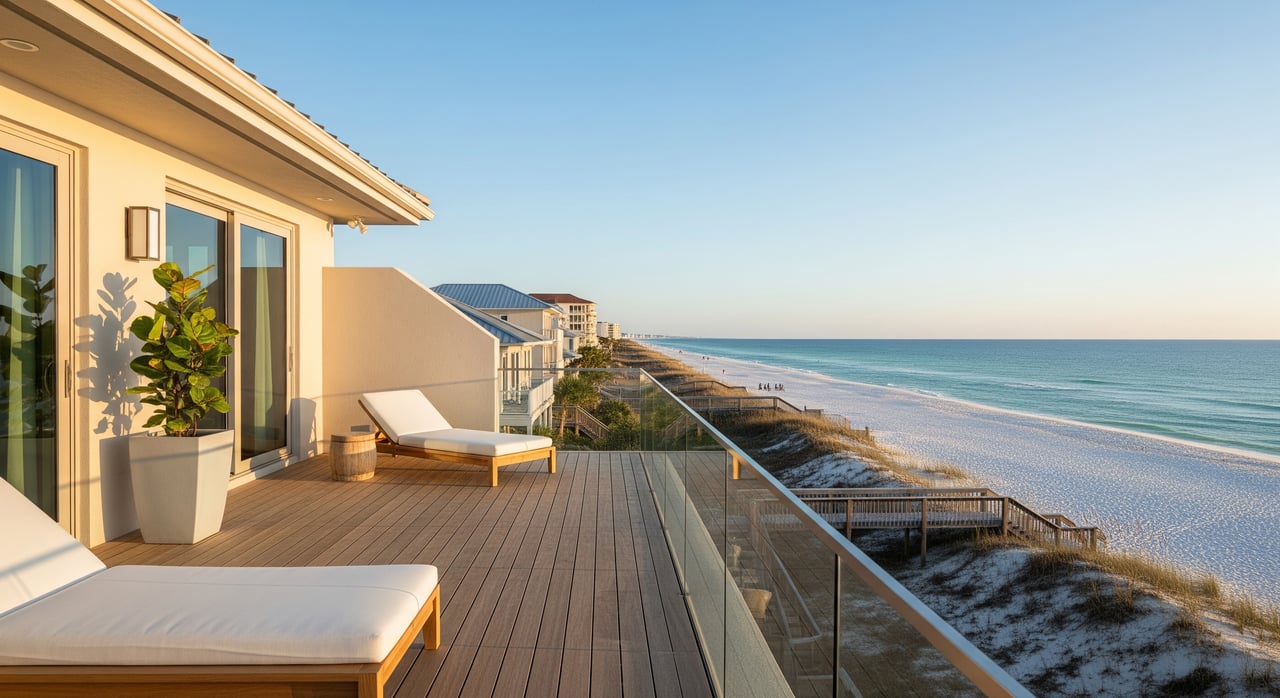
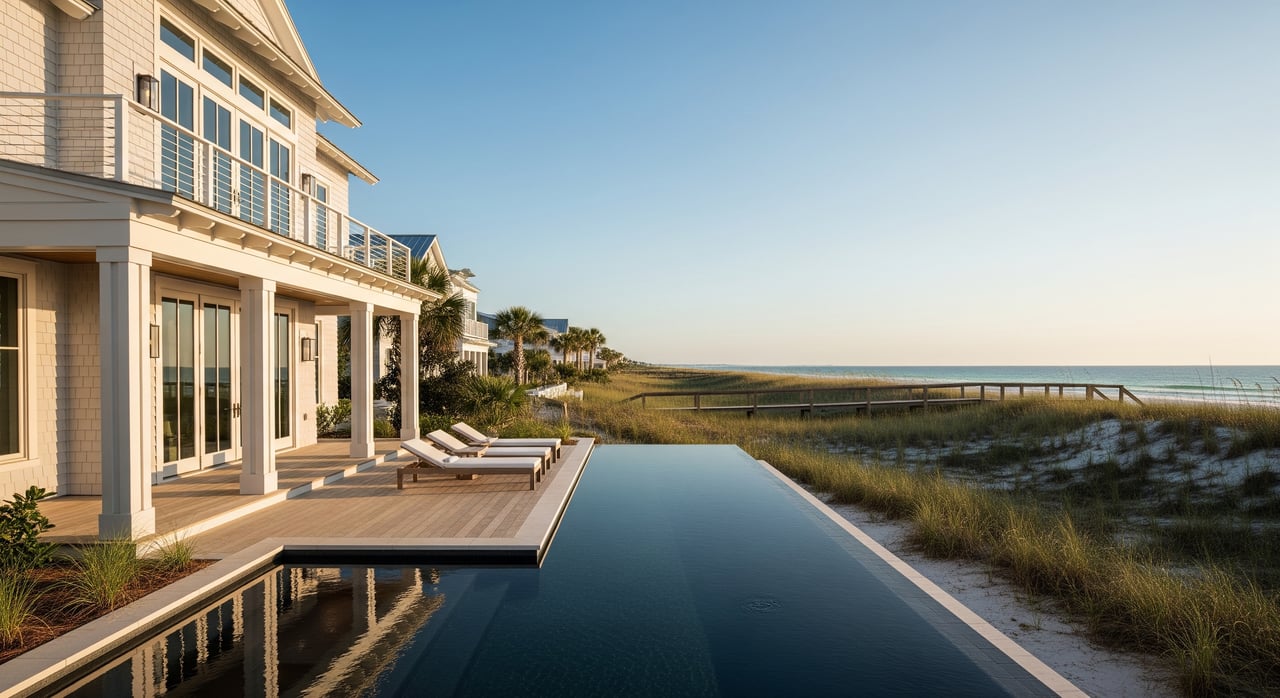
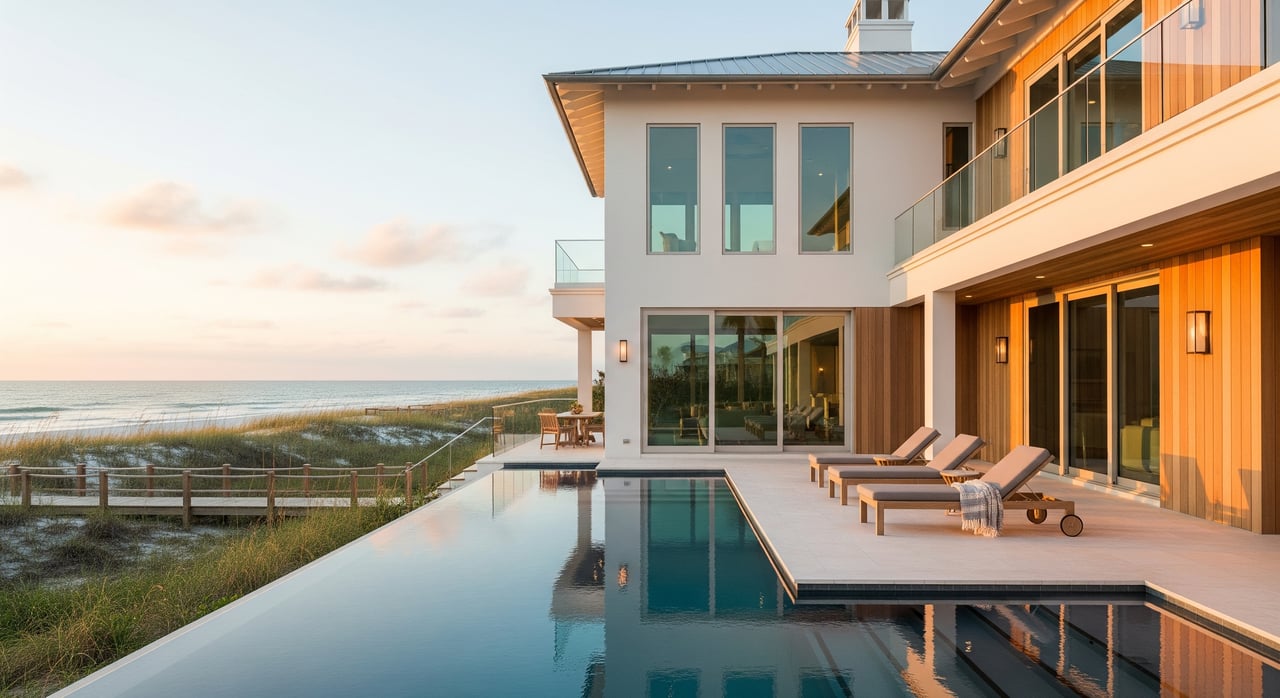
In Destin, “gulf-front” usually means the property or building touches the beach side of its parcel. The lot line generally reaches the mean high water line, which is the boundary Florida uses to separate private uplands from state-managed sovereignty lands seaward of that line. You can expect direct proximity and line-of-sight to the Gulf, and often immediate physical access. Verify with a survey and recorded deed because some first-row buildings sit behind a dune walkover or public access point.
“Gulf-view” means you can see the water, but your parcel does not touch the beach. Views can be partial, seasonal, or limited by landscaping or neighboring buildings. A view is not a guarantee of access. If access matters, confirm whether there is a private, community, or public route to the sand.
“Gulf-facing” describes a home or unit oriented toward the Gulf. It may be on the same overall property as the beach but set back from the shoreline. You can have a direct view without sitting at the waterline. Always check where the building sits relative to the dune and any public access between the building and the beach.
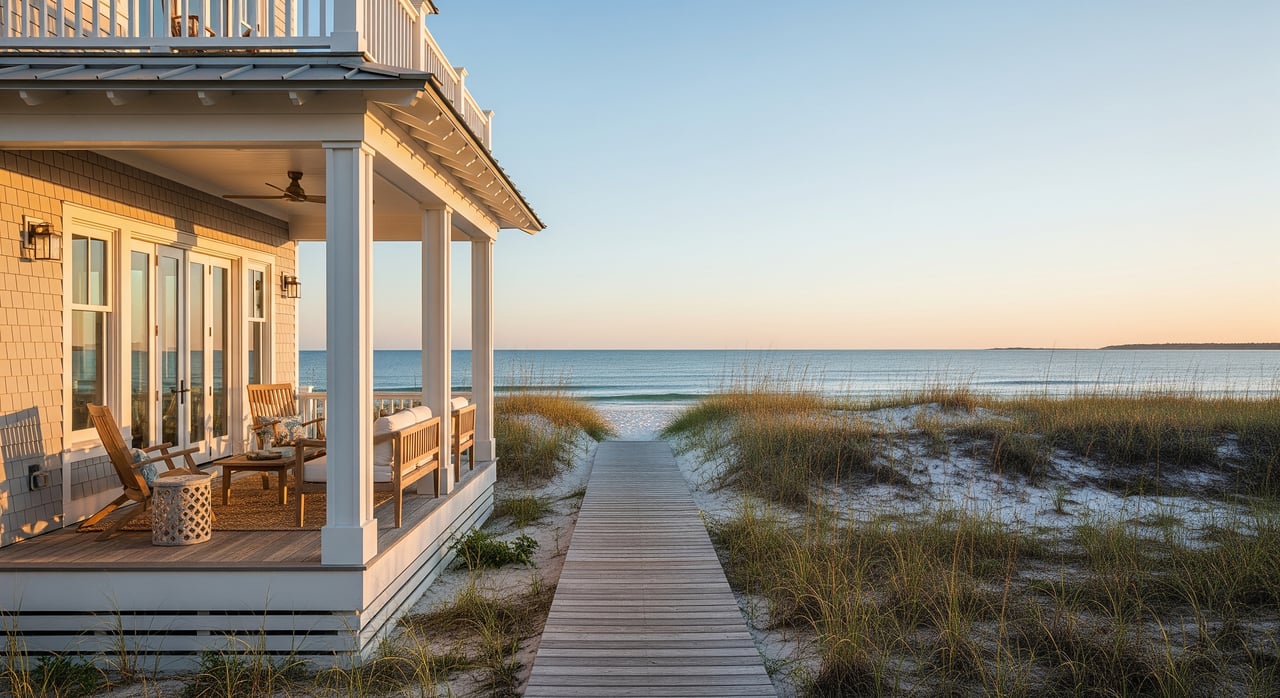
“Gulf-access,” “beach access,” and “deeded access” refer to a legal right to reach the beach. That right might be across your own property, along a recorded easement, or through a private or community walkover. The gold standard is a recorded instrument that clearly grants access and transfers with the property.
Ask for documents early so you are confident before you write an offer.
A strong access document will identify who grants the right and who benefits, include a legal description, and define width and use, often pedestrian only. It should state if the easement is exclusive or non-exclusive. Look for language on maintenance, liability, and whether the easement can be relocated and under what conditions.
Direct gulf-front usually commands the highest price per square foot due to proximity, unobstructed views, and immediate access. Gulf-view typically carries a premium over inland properties, with value tied to how consistent and protected the view is over time. Properties with deeded private access are more valuable than those relying only on public access, all else equal. Other factors include beachfront width, dune protection, parking, floor level and orientation, and community amenities.
Appraisers and lenders separate gulf-front comps from gulf-view comps. If access rights are unclear or in dispute, financing can become more difficult. Some mortgage products for coastal homes carry stricter requirements because of wind and flood exposure. Expect the lender to ask for documents that support access, elevation, and association health.
Coastal homes often sit in special flood hazard areas. Flood premiums depend on elevation and base flood elevation, and whether the first floor is above required heights. Windstorm coverage usually carries higher deductibles near the coast. Shoreline change over time, including erosion or renourishment, can influence risk and long-term costs, and first-floor or low-elevation spaces can affect insurability.
Gulf-front properties attract strong buyer interest but operate at higher price points. Homes that rely on public access can be attractive to buyers who do not need exclusivity. Many second-home buyers consider rental income, and gulf-front and gulf-view units often perform well, but city, county, and HOA rules govern short-term rentals, so review them before you forecast income.
Destin is in Okaloosa County, while 30A communities sit in Walton County. Each county and municipality manages its own coastal regulations and beach access maps. Some communities lean on HOA-managed walkovers, while others rely on public access points. Verify access rights on a property-by-property basis, since practices vary.
Destin has a mix of high-rise condos and beachfront communities, which can impact view corridors and the chance that a future building may affect a “front row” view. On 30A, many neighborhoods feature lower-rise patterns and cottage-style development. Inventory density and height patterns shape both view consistency and privacy.
Short-term rental rules and enforcement vary between Destin and Walton County, and from one HOA to another. Before you count on rental income, confirm allowed uses, minimum stays, and any caps on beach amenity use for guests.
Use this simple guide as you evaluate listings and tour.
When the right property appears, you want clarity on what you are buying, not surprises at closing. A focused coastal team can help you pull deeds and easements, coordinate survey and title review, and weigh view quality, access rights, and insurance against your goals. If you are comparing Destin with 30A, we can help you align community patterns, access types, and rental rules with your lifestyle.
Ready to move ahead with confidence? Connect with Resiak Group to Request a Personalized 30A Market Consultation.
Stay up to date on the latest real estate trends.

We pride ourselves in providing personalized solutions that bring our clients closer to their dream properties and enhance their long-term wealth.